

Actor and political commentator Prakash Raj has once again found himself at the center of social media conversations after sharing a satirical video linked to the rapidly growing “Cockroach Janta Party” trend that has been dominating online platforms in recent days.
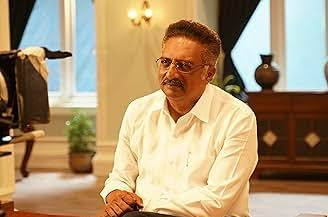
The veteran actor posted the humorous clip early Friday morning, instantly drawing attention from both supporters and critics. In the video, Prakash Raj is seen enjoying mango ice cream while referencing the now-viral “Cockroach Janta Party” movement through hashtags and playful symbolism. The post quickly spread across Instagram, X, and other social media platforms, where users debated the political undertones behind the satire.
Many online users linked the mango reference to Prime Minister Narendra Modi and his well-known discussion about mangoes during a widely shared 2019 interview. The internet quickly picked up on the connection, turning the clip into another viral meme moment tied to India’s increasingly meme-driven political culture.
The “Cockroach Janta Party,” commonly referred to online as CJP, emerged only days ago but has already become one of the most talked-about digital satire movements among younger internet users. The trend reportedly began after a courtroom remark during a May 15 hearing involving fake degree allegations and exam-related fraud cases.
According to discussions circulating online, the phrase gained traction after Chief Justice Surya Kant allegedly used the word “cockroaches” while referring to fraudulent individuals exploiting the education system. Soon after, social media users transformed the term into a symbolic internet protest movement representing frustrated youth dealing with unemployment, exam controversies, and corruption-related discussions.
The movement’s viral growth has been extraordinary. Within just a week, pages associated with the Cockroach Janta Party reportedly gained millions of followers through memes, parody videos, AI-generated content, and political satire reels. Many creators began using the cockroach symbol as a metaphor for survival, resistance, and ignored public frustration.
Prakash Raj’s participation significantly boosted the movement’s visibility. Supporters praised the actor for using humor and satire to engage with issues affecting young people, especially students facing anxiety over competitive exams and employment opportunities.
However, the actor’s post also triggered backlash from several right-leaning social media users. Critics accused Raj of promoting divisive political messaging and mocking public institutions through internet meme culture. Some users even turned the “cockroach” label back against the actor himself, creating counter-memes and reaction videos that further fueled online debates.
Despite the criticism, Prakash Raj has remained one of India’s most outspoken celebrity voices on political and social issues. Over the years, the actor has frequently criticized government policies, supported free speech discussions, and participated in debates surrounding democracy, media freedom, and public accountability.
Digital culture experts say the rapid rise of meme-driven movements like Cockroach Janta Party reflects how political expression among younger audiences is evolving online. Instead of traditional political campaigns, many internet users now rely on satire, humor, reels, and viral visuals to express frustration and engage with current affairs.
The trend has also sparked broader conversations about unemployment, exam paper leak controversies, rising student pressure, and the role of social media in shaping political discourse among Gen Z audiences.
Meanwhile, Instagram and X continue witnessing thousands of new posts using hashtags connected to the movement. Meme pages, AI creators, influencers, and satire accounts have all contributed to the explosive growth of the trend, turning what began as an isolated internet joke into a larger online cultural phenomenon.
As reactions continue pouring in, Prakash Raj’s mango ice cream video has become yet another viral chapter in the internet’s ongoing fascination with political satire, meme culture, and digital activism in India.