
Watching Their Dust
In the soft light of early morning, when flowers first open and the air still feels fresh, a quiet drama begins. Tiny wings flutter. Petals tremble. Golden dust rises and settles again. This is pollination — one of nature’s most essential processes — and one of the most rewarding subjects in nature photography.
“Watching Their Dust” is not just about capturing insects on flowers. It is about documenting life in motion, the invisible partnerships that sustain ecosystems, and the delicate exchange that keeps our planet blooming.
The Hidden Story Inside a Flower
Pollination may seem simple at first glance. An insect lands, gathers nectar, and moves on. But within that brief visit, something remarkable happens.
Pollen — the fine, powdery substance produced by flowers — sticks to the bodies of pollinators. As they travel from bloom to bloom, they transfer pollen, enabling plants to reproduce. Without this process, many fruits, vegetables, and wild plants would struggle to exist.
Through photography, we can make this invisible exchange visible.
A macro lens reveals:
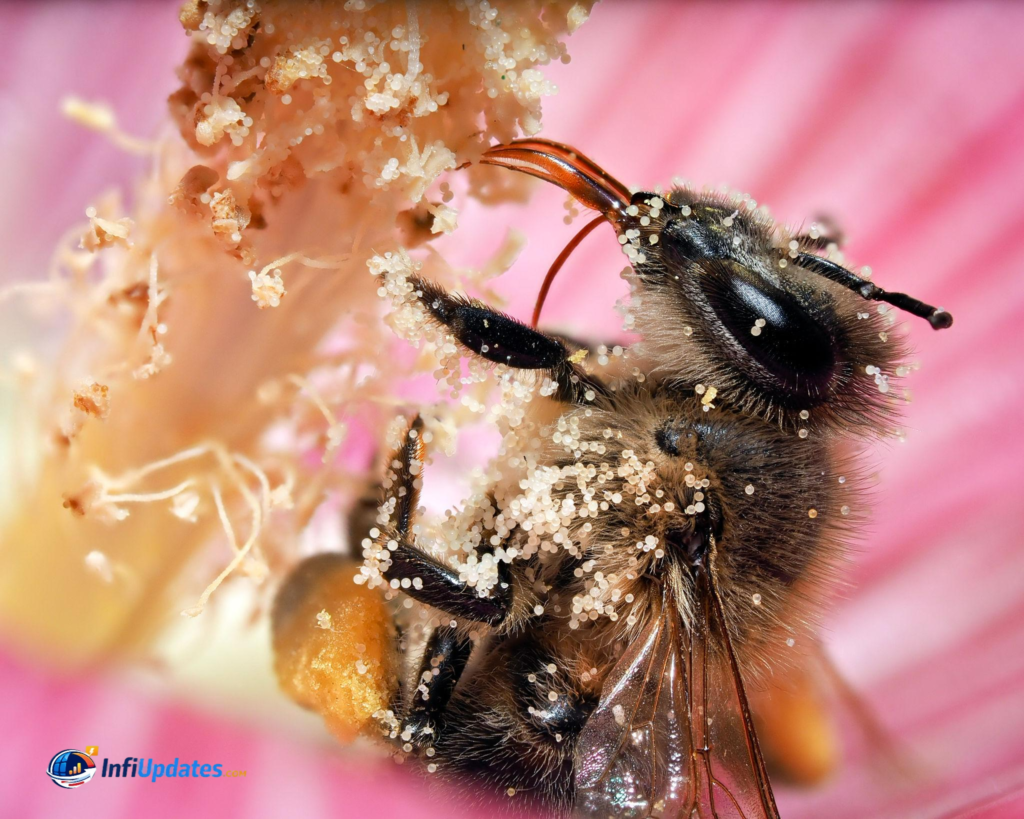
Pollen grains clinging to tiny hairs
The structure of stamens and pistils
The texture of wings dusted in gold
The precise moment of contact between insect and flower
When you zoom in close enough, you begin to see not just an insect, but a worker carrying the future of a forest.
The Key Players in Pollination
Pollination is not the work of a single species. It is a shared effort among various creatures, each adapted to different flowers and environments.
Bees: The Primary Architects
Bees are among the most efficient pollinators. Their fuzzy bodies are perfectly designed to trap pollen. Watching a bee dive into a blossom is like witnessing a craftsman at work.
In photography, bees offer dynamic subjects:
- Rapid wing movement
- Focused behavior
- Heavy pollen loads on their legs
Capturing them requires patience, fast shutter speeds, and steady hands.
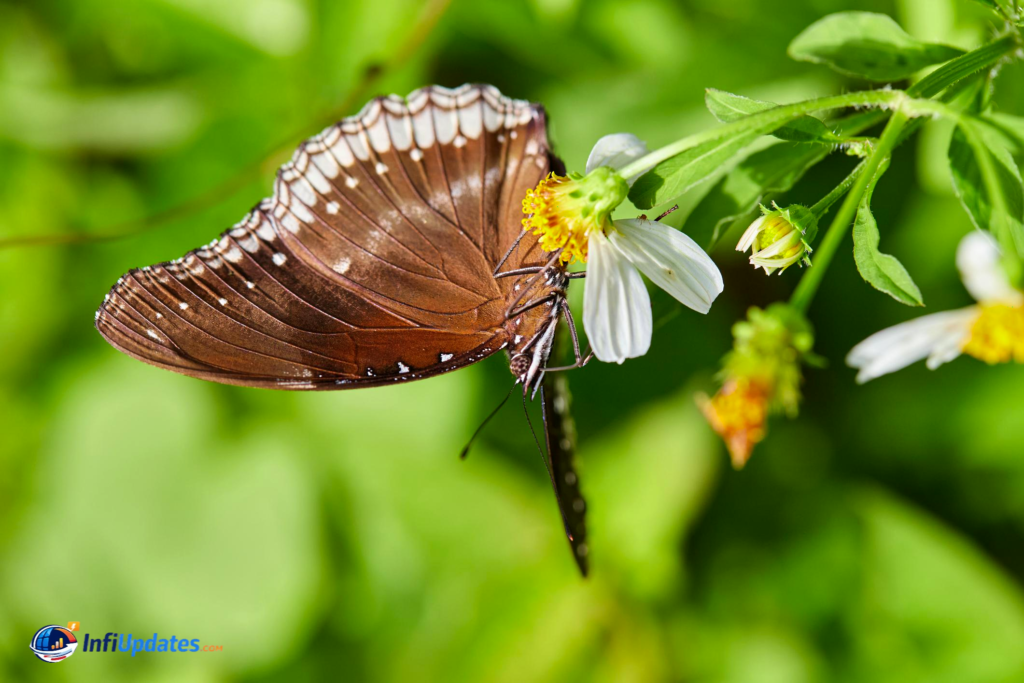
Butterflies: The Gentle Visitors
Unlike bees, butterflies are less efficient but equally beautiful pollinators. Their long proboscis allows them to reach deep into flowers.
From a photographic perspective, butterflies provide:
- Vibrant colors
- Symmetrical wing patterns
- Graceful, slow movements
Their elegance contrasts with the busy urgency of bees, adding variety to pollination storytelling.
Birds and Beyond
In some ecosystems, hummingbirds and even bats serve as pollinators. Their role is especially important in certain tropical and desert environments.
Photographing these larger pollinators introduces new challenges:
- Tracking rapid flight paths
- Adjusting for changing light
- Anticipating movement
Each species tells a different chapter of the same story.
The Art of Capturing Pollen in Motion
Pollination photography is both technical and artistic.
1. Timing Is Everything
Early mornings are ideal. Pollinators are active, and the light is soft. Dew adds sparkle to petals, enhancing visual texture.
2. Use Macro Lenses
A dedicated macro lens helps reveal intricate details — from compound eyes to individual pollen grains.
3. Control Depth of Field
A shallow depth of field isolates your subject while creating a dreamy background. However, balancing focus on both the insect and flower is key.
4. Patience Over Speed
Pollinators move unpredictably. Observing behavior before shooting often leads to stronger compositions.
Why Pollination Photography Matters
Beyond aesthetics, photographing pollination carries environmental significance.
Pollinators face growing challenges:
- Habitat loss
- Climate change
- Pesticide exposure
- Urban expansion
Images of bees coated in pollen or butterflies resting on native plants can inspire awareness and conservation. A single photograph can remind viewers of how deeply connected we are to these small creatures.
Every apple, almond, sunflower, and berry carries the story of a pollinator.
Finding Beauty in the Details
The phrase “Watching Their Dust” reflects a quiet admiration. The dust — pollen — may seem insignificant, but it represents survival, continuity, and resilience.
In close-up photography:
- A bee’s leg becomes a sculpture
- A petal becomes a landscape
- Pollen becomes golden snowfall
These details transform everyday garden scenes into epic narratives of life.
Ethical Photography Practices
While capturing pollination, it is important to respect wildlife.
- Avoid disturbing active pollinators
- Do not damage flowers for better angles
- Limit the use of artificial lighting
- Preserve natural habitats
Responsible photography ensures that the story continues long after the image is taken.
Photographing pollination is an invitation to slow down. It encourages us to kneel beside a flower, observe carefully, and appreciate the delicate partnerships shaping our world.
The next time you see a bee dusted in gold or a butterfly resting between blooms, pause. Look closer. That tiny cloud of pollen is not just dust — it is the beginning of tomorrow’s harvest, tomorrow’s forest, tomorrow’s color.
Through the lens, we are not merely capturing insects.
We are witnessing the architecture of life itself.