
The war has already reshaped global energy markets
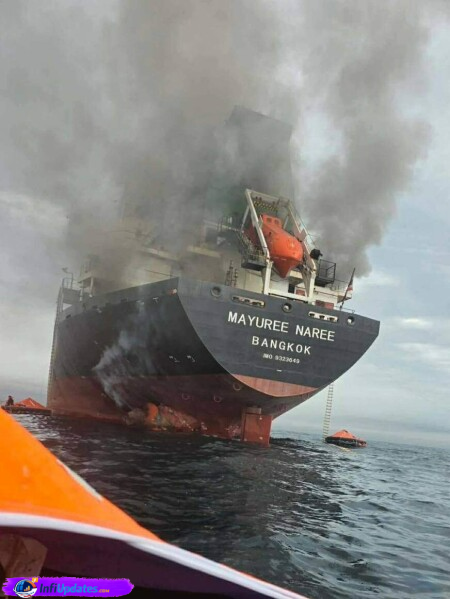
The conflict between the United States, Israel, and Iran has entered a dangerous new phase, with escalating military strikes, attacks on global shipping routes, and rising civilian casualties. Now in its second week, the war has already reshaped global energy markets and triggered widespread diplomatic and security concerns around the world.
What began as a series of coordinated airstrikes has quickly transformed into one of the most volatile Middle East crises in years. With missile attacks, naval confrontations, and drone strikes spreading across the region, analysts warn that the conflict could have long-lasting consequences for international security and the global economy.
Emergency Oil Reserves Released Worldwide
In response to the sudden rise in prices and supply fears, governments around the world have taken an extraordinary step. The International Energy Agency (IEA) announced a coordinated release of about 400 million barrels of oil from strategic reserves held by 32 countries.
This is one of the largest emergency releases of oil reserves in history and is intended to stabilize global markets and prevent further price shocks. The United States alone is expected to contribute more than 170 million barrels from its strategic petroleum reserve.
However, experts caution that the measure may only provide temporary relief. If attacks on tankers and infrastructure continue, the supply disruptions could outweigh the effect of the emergency reserves.
Energy analysts say the key factor for stabilizing markets will be restoring safe passage through the Strait of Hormuz.
Expanding Military Operations Across the Region
Meanwhile, military activity across the Middle East continues to intensify. Israeli forces have carried out multiple airstrikes in Lebanon, including attacks along Beirut’s waterfront that reportedly killed several people and wounded dozens more.
Hezbollah militants have responded with rocket barrages targeting northern Israel, raising fears that the conflict could expand into a wider regional war involving additional armed groups.
Iran has also launched missile and drone attacks targeting strategic locations across the Gulf. Defense systems in several countries, including Saudi Arabia and the United Arab Emirates, have intercepted incoming drones and missiles aimed at energy infrastructure and urban centers.
Security officials say these strikes represent a significant escalation, as they extend the battlefield far beyond Iran and Israel themselves.
Civilian Casualties and Humanitarian Concerns
As the fighting intensifies, the humanitarian toll continues to grow. Reports indicate that thousands of civilians have been injured and large numbers of homes and public buildings damaged during the conflict.
One of the most controversial incidents involved a U.S. strike that reportedly hit a school building in Iran. Early reports suggest that outdated intelligence or targeting data may have contributed to the tragedy, potentially leading to dozens of civilian deaths.
Such incidents have sparked international criticism and raised concerns about the accuracy of targeting decisions during the conflict.
Humanitarian organizations warn that the situation could worsen rapidly if fighting spreads further into densely populated urban areas.
Political Reactions and Diplomatic Fallout
Diplomatic tensions have also intensified alongside the fighting. Several governments have issued strong statements condemning attacks on shipping routes and civilian areas.
The United Nations Security Council has held emergency discussions regarding the situation in the Gulf and the risk to international maritime security. Meanwhile, some countries have recalled ambassadors or issued travel warnings for citizens in the region.
U.S. political leaders have sent mixed signals about the war’s progress. President Donald Trump recently claimed the United States had “won” major phases of the conflict but also stated that the military must still “finish the job.”
Such statements highlight the uncertainty surrounding the war’s duration and potential endgame.
A Conflict With Global Consequences
For now, the Middle East remains on edge as the conflict enters its second week with no clear path to de-escalation. Military operations continue across multiple fronts, shipping routes remain under threat, and global energy markets are reacting sharply to every new development.
Experts warn that the situation could deteriorate further if additional countries or armed groups become involved. The longer the conflict continues, the greater the risk of wider economic disruption and humanitarian suffering.
For the international community, the challenge now is balancing military responses with diplomatic efforts aimed at preventing the crisis from spiraling into an even larger regional war.
As the world watches closely, the coming days may prove critical in determining whether the conflict moves toward escalation — or a fragile path toward negotiation and stability.