
It is a story about scientific breakthrough
The story of Henrietta Lacks is one of the most powerful and complex narratives in modern medical history. It is a story about scientific breakthrough, ethical reflection, and the profound impact a single person’s cells can have on humanity.
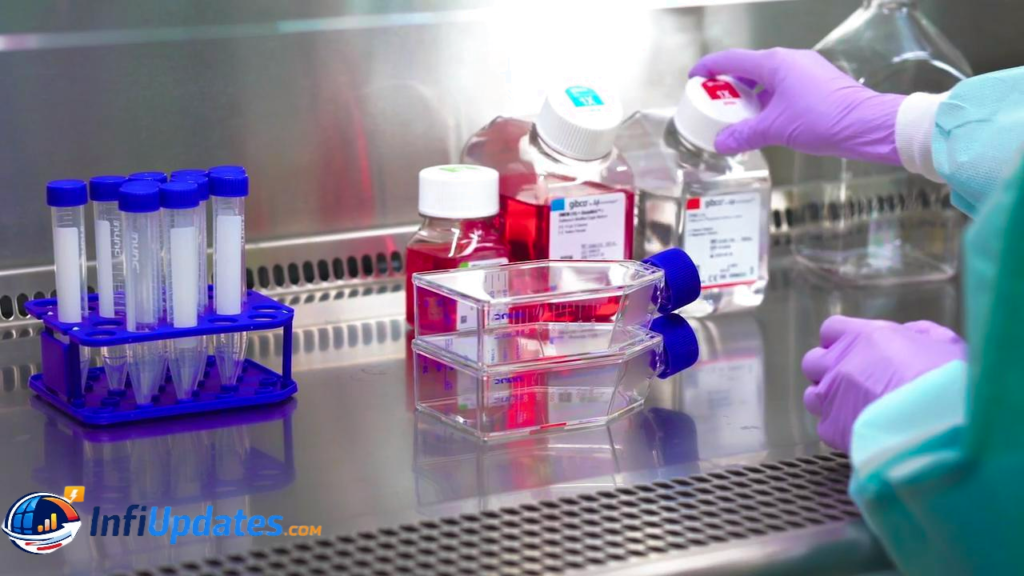
Her cells, taken in 1951 during treatment for cervical cancer, became the first immortal human cell line — known as HeLa cells. Decades later, they continue to contribute to life-saving discoveries. But her story also raises essential questions about consent, equity, and trust in science.
The lesson is clear: science depends on human participation. And with that dependence comes responsibility.
The Discovery That Changed Medicine
In the early 1950s, doctors at Johns Hopkins Hospital collected tissue samples from Henrietta Lacks without her knowledge — a practice that was not uncommon at the time.
Researchers soon realized something extraordinary. Unlike most human cells, which die after a limited number of divisions, her cells continued to grow and multiply indefinitely under laboratory conditions. They were, in effect, “immortal.”
These cells were named HeLa — derived from the first letters of her name.
Why HeLa Cells Matter
HeLa cells have played a role in countless medical advances, including:
- Development of the polio vaccine
- Cancer research breakthroughs
- Advances in virology
- Genetic mapping
- Drug testing
- Studies in space biology
They have been sent into space, exposed to radiation, and used in research labs across the globe. Millions of lives have been touched by discoveries made possible through these cells.
In many ways, modern biomedical science was accelerated by this one cell line.
The Ethical Awakening
While the scientific impact is undeniable, the ethical dimension of the story cannot be ignored.
Henrietta Lacks and her family were not informed that her cells were taken. For decades, they were unaware of how widely HeLa cells were being used. Meanwhile, pharmaceutical companies and research institutions benefited from the discoveries.
This raised critical questions:
- Should patients give explicit consent for tissue use?
- Who owns biological samples once removed from the body?
- Should families share in financial benefits from research?
Her story became central to broader conversations about patient rights and informed consent.
The Importance of Consent
Today, medical research standards are very different. Informed consent is now a cornerstone of ethical research. Patients are typically informed about:
- How their samples will be used
- Potential risks
- Privacy protections
- Data security measures
Institutional review boards oversee studies to protect participants.
The legacy of Henrietta Lacks helped shape these protections. Her story contributed to stronger ethical frameworks in medical science.
Why Science Needs Human Cells
Human cell research remains essential for medical progress. Laboratory-grown cells allow scientists to:
- Study disease mechanisms
- Test treatments safely
- Develop vaccines
- Understand genetic disorders
Without human biological samples, many breakthroughs would be impossible.
However, trust between the public and scientific institutions is vital. When people understand how research works — and feel respected in the process — participation increases.
Balancing Innovation and Responsibility
The Henrietta Lacks story reminds us that progress must be paired with ethics. Scientific advancement should never overlook human dignity.
In recent years, efforts have been made to honor her legacy. Recognition, transparency, and dialogue have helped bring awareness to her contribution.
The conversation continues about how best to ensure fairness, representation, and respect in research.
A Broader Reflection on Medical Research
Medical science thrives on collaboration — between researchers, institutions, and individuals willing to contribute samples for study.
Every blood test, biopsy, and clinical trial participant plays a role in advancing knowledge. Behind every scientific paper are real people whose biological material makes discovery possible.
When conducted ethically, this partnership benefits society as a whole.
The story of Henrietta Lacks is both inspiring and sobering. Her cells changed medicine forever, saving countless lives. At the same time, her experience revealed the importance of transparency and informed consent.
Science truly needs human cells — but it also needs trust, accountability, and compassion.
As research continues to evolve, her legacy serves as a reminder that progress is strongest when built on respect for the individuals who make it possible.