
it is more than a retail expansion.
When Apple Inc. announces the opening of a new megastore in China, it is more than a retail expansion. It represents strategy, market commitment, and long-term global positioning. However, the move has also drawn political attention, particularly from former U.S. Attorney General William Barr, who previously criticized major American corporations for their deepening ties with China.
This development highlights the complex intersection of business growth, geopolitics, and global supply chains.
Apple’s Expanding Presence in China
China remains one of Apple’s most important markets. It serves both as:
- A major consumer base
- A critical manufacturing hub
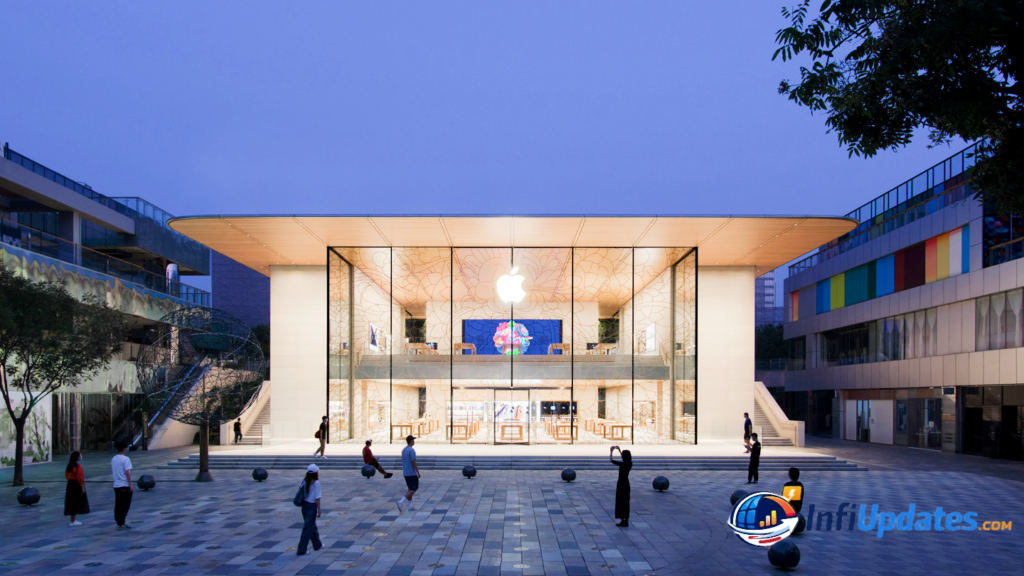
Opening another large-scale retail store strengthens Apple’s physical presence in key Chinese cities. These megastores are not just places to buy devices — they are experience centers offering:
- Product demonstrations
- Technical support
- Training sessions
- Brand engagement activities
For Apple, retail visibility supports its premium positioning and reinforces customer loyalty.
Why China Matters to Apple
China plays a dual role in Apple’s global ecosystem.
1. Manufacturing Backbone
Many Apple products are assembled in China through established supply chain networks. The country’s infrastructure, skilled workforce, and manufacturing scale make it central to global production.
2. Consumer Market
China is one of Apple’s largest international markets. Strong demand for iPhones, iPads, and Mac devices contributes significantly to revenue.
Given this dependence, expanding retail operations aligns with Apple’s long-term growth plans.
The Political Dimension
William Barr has previously expressed concerns about American companies increasing their reliance on China. His criticism centered around:
- National security considerations
- Economic dependence
- Strategic competition between the U.S. and China
Barr argued that major corporations should carefully evaluate their business strategies in light of geopolitical tensions.
Apple’s continued investment in China, including opening new stores, may be viewed by critics as reinforcing economic interdependence at a sensitive time.
Business vs. Geopolitics
Multinational corporations often operate in complex global environments. For companies like Apple, decisions are typically driven by:
- Market demand
- Supply chain efficiency
- Shareholder expectations
- Long-term profitability
At the same time, governments weigh:
- National security concerns
- Trade balances
- Technological leadership
- Diplomatic strategy
This creates a delicate balance between commercial growth and political realities.
Retail Strategy in a Competitive Market
China’s technology market is highly competitive, with strong domestic smartphone brands. Expanding physical retail spaces allows Apple to:
- Showcase premium design
- Offer direct customer service
- Strengthen brand trust
- Differentiate from competitors
Flagship stores also symbolize commitment to the local market. For consumers, they provide hands-on experience with products before purchase.
Supply Chain Diversification Efforts
While Apple continues to invest in China, the company has also taken steps to diversify its manufacturing operations to other countries. This reflects broader industry trends aimed at reducing supply chain risks.
Expanding retail presence does not necessarily mean ignoring diversification strategies. It may simply reflect parallel efforts — maintaining market strength while adjusting production networks.
Investor Perspective
From a financial standpoint, expanding into strong consumer markets can support revenue growth. Investors often evaluate:
- Regional sales performance
- Retail expansion impact
- Global economic stability
- Regulatory developments
Opening a megastore signals confidence in market demand. However, geopolitical discussions can influence investor sentiment and media coverage.
A Broader Global Conversation
The situation reflects a larger global theme: the growing complexity of international business in a politically sensitive environment.
Technology companies today operate across borders, serving customers worldwide. Their decisions often attract scrutiny from policymakers, analysts, and the public.
Apple’s expansion in China amid political criticism illustrates how corporate strategy and national interests sometimes intersect in challenging ways.
Apple opening another megastore in China demonstrates its continued commitment to one of its most significant markets. At the same time, criticism from figures like William Barr underscores ongoing debates about economic dependence and global competition.
For businesses operating on a global scale, navigating these dynamics requires balancing commercial opportunity with awareness of geopolitical realities.
As international relations evolve, the relationship between major technology companies and global markets will remain an important topic of discussion — shaping both economic strategy and public debate.