Cursus iaculis etiam in
We’ve all been there. A glass slips from your hand, shatters on the floor, and instantly becomes a pile of glittering fragments. Replacement usually means a trip to the store — or ordering a new set online.
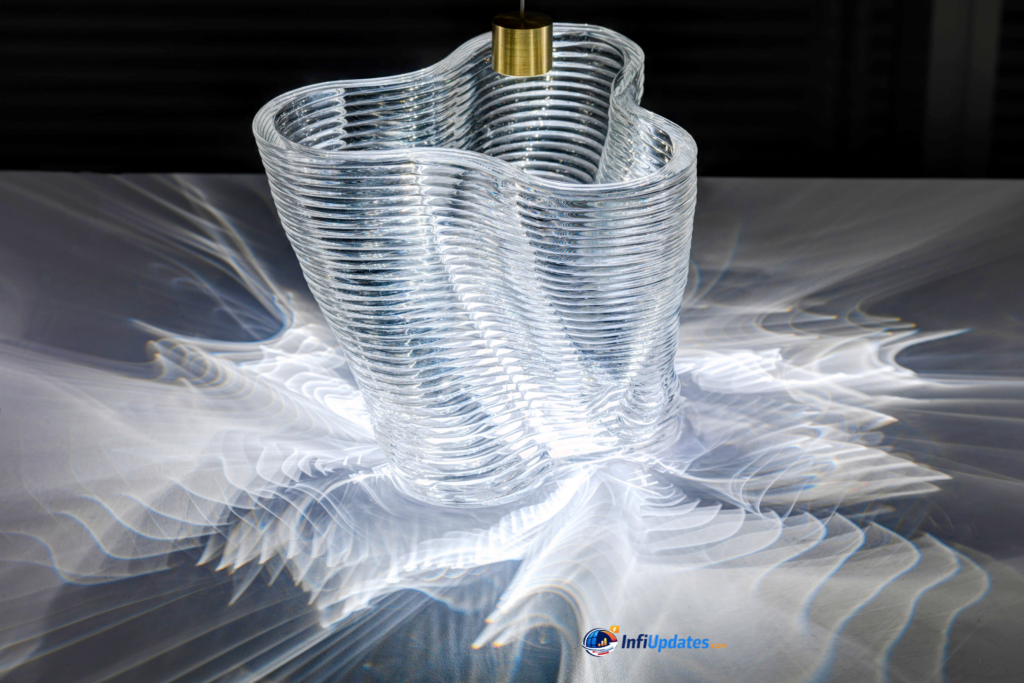
But what if, instead, you could simply open a design file, press “print,” and create a brand-new glass at home?
Thanks to advances in 3-D printing, that future may not be as far away as it sounds.
From Plastic to Glass: The Next Step in 3-D Printing
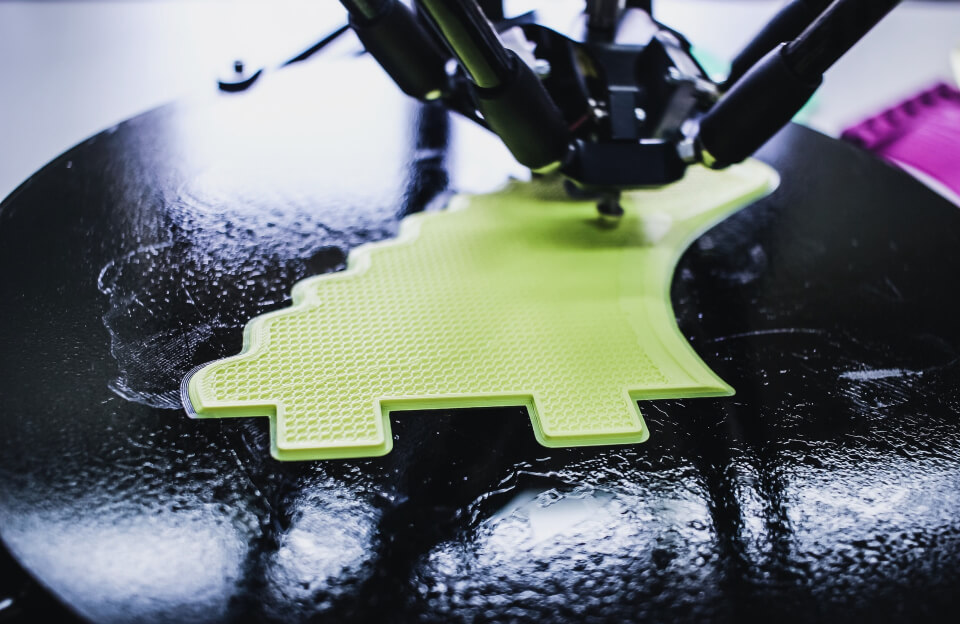
Most people associate 3-D printing with plastics. Desktop printers commonly use materials like PLA or ABS to build objects layer by layer.
However, researchers and engineers have been working to expand additive manufacturing into more complex materials — including metals, ceramics, and even glass.
Glass is particularly challenging because it requires:
- Extremely high temperatures
- Precise cooling control
- Structural stability during printing
Unlike plastic, which melts at relatively low temperatures, glass must be heated to over 1,000°C to become workable.
How 3-D Printing Glass Works
There are a few experimental approaches to 3-D printing glass:
1. Molten Glass Extrusion
In this method, molten glass is fed through a heated nozzle and deposited layer by layer, similar to plastic filament printing — but at much higher temperatures.
2. Glass Powder and Laser Fusion
Another technique involves spreading fine glass powder and using a high-powered laser to fuse it into solid form.
3. Resin-Based Glass Precursors
Some researchers print objects using special resins that contain silica particles. After printing, the object is heat-treated to burn away polymers and leave behind solid glass.
Each method is still being refined, but progress is steady..
Why Print Glass at All?
You might wonder why we need 3-D-printed glass when traditional manufacturing already exists.
The answer lies in customization and design freedom.
3-D printing allows:
- Unique shapes impossible with molds
- On-demand production
- Rapid prototyping
- Reduced material waste
For industries such as architecture, optics, and biomedical engineering, the ability to create custom glass structures could be transformative.
Beyond Drinking Glasses
While the idea of printing a replacement cup at home is appealing, industrial applications may arrive first.
Potential uses include:
- Custom laboratory equipment
- Optical components
- Artistic glass sculptures
- Specialized lenses
- Architectural elements
Additive manufacturing makes it possible to design internal structures within glass that would be difficult or impossible using traditional techniques.
The Sustainability Angle
Producing glass traditionally requires significant energy and large-scale facilities. 3-D printing could offer advantages in certain scenarios:
- Lower material waste
- Localized production
- Reduced shipping emissions
- Small-batch customization
However, high energy demands for melting glass remain a challenge. As energy efficiency improves, this technology could become more sustainable.
Challenges Still Ahead
Despite its promise, 3-D printing glass is not yet a common household reality.
Key challenges include:
- Equipment cost
- Extreme heat management
- Precision cooling to prevent cracking
- Ensuring optical clarity
Glass is sensitive to temperature changes. If it cools unevenly, it can develop internal stresses and break.
Researchers are actively developing better temperature control systems to address this issue.
A Glimpse Into the Future
Imagine a future where:
- You download a design for a matching wine glass
- A local fabrication lab prints it for you
- Or advanced home printers safely produce glassware
As 3-D printing evolves, materials once considered impossible to print are becoming accessible.
What began as a prototyping tool is rapidly becoming a manufacturing revolution.
More Than Convenience
The ability to print glass isn’t just about replacing broken kitchenware. It represents a broader shift toward decentralized production.
Instead of mass manufacturing and shipping identical products worldwide, communities could produce items locally based on digital designs.
This shift could influence:
- Supply chains
- Product design
- Consumer behavior
- Waste reduction
“Broke a Glass? Someday You Might 3-D-Print a New One” captures the exciting direction of material science and additive manufacturing.
While the technology is still developing, the idea of printing transparent, functional glass objects is moving from experimental labs toward practical application.
The next time a glass shatters on your floor, imagine a future where the solution is not a shopping trip — but a design file and a printer.
Innovation has a way of turning everyday accidents into opportunities for progress.