
Sometimes, a line of code is all it takes to spark wonder.
Social media is often associated with breaking news, opinions, and fast-moving trends. But hidden among the noise are automated accounts — bots — that quietly deliver moments of discovery. On Twitter (now known as X), science-focused bots share everything from space imagery to research papers, creating small bursts of serendipity in users’ feeds.
These accounts run on code, but they often spark genuine curiosity.
Here’s a look at six types of science bots that blend automation with inspiration.
1. Space Image Bots
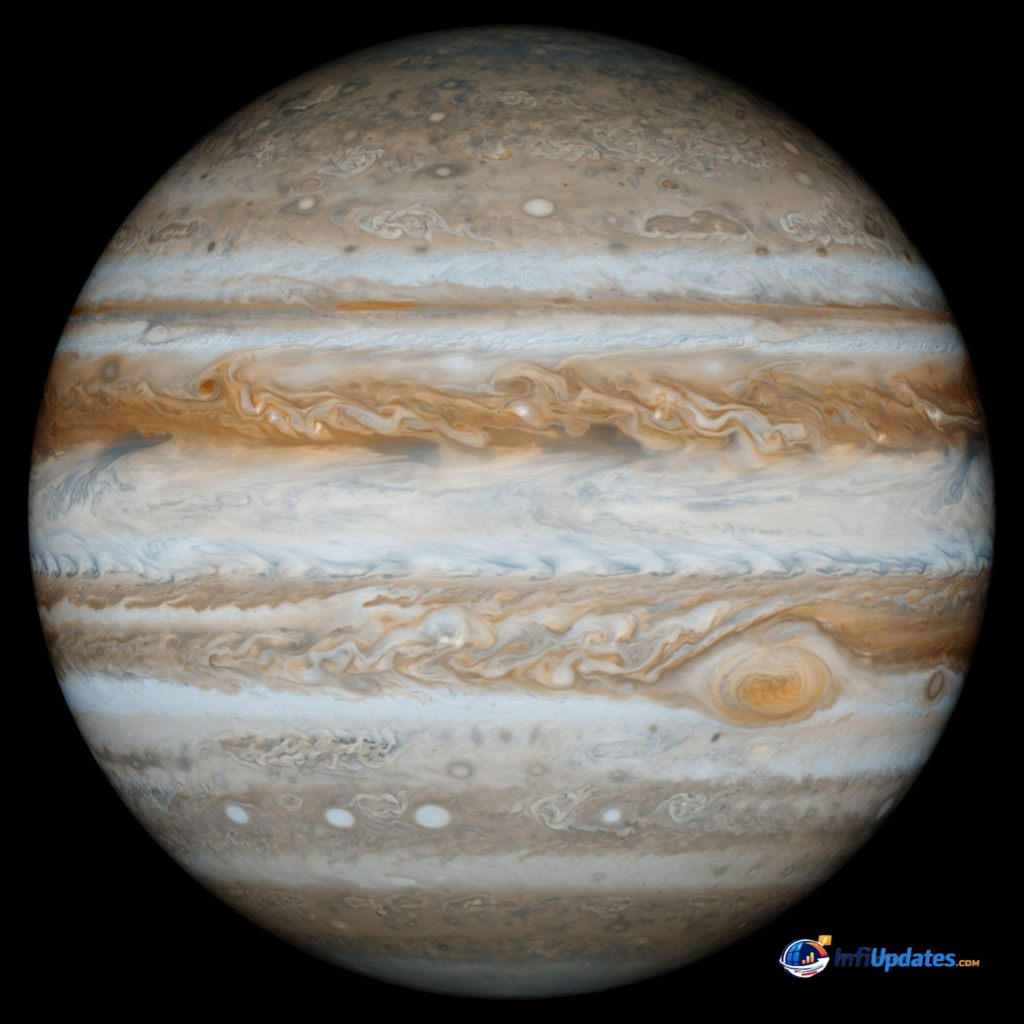
Few things stop a scrolling thumb like a stunning galaxy photo. Some bots automatically post images from missions such as the NASA Hubble and other observatories.
These bots typically:
- Pull publicly available space images
- Include brief descriptions
- Credit scientific missions
They transform raw scientific data into visually captivating moments. For many followers, these posts are daily reminders of the universe’s scale and beauty.
2. Earth Science Update Bots
Climate and environmental data are constantly being updated. Automated accounts can share:
- Earthquake alerts
- Volcanic activity updates
- Weather satellite imagery
- Atmospheric measurements
By translating technical feeds into readable posts, these bots make scientific monitoring more accessible to the public.
3. Research Paper Bots
Academic publishing produces thousands of new studies every week. Research bots scan databases and automatically tweet links to newly released scientific papers.
They help:
- Researchers discover relevant studies
- Students explore new topics
- Curious readers stay updated
In a world overflowing with information, these bots serve as quiet librarians.
4. Astronomy Event Bots
From meteor showers to planetary alignments, astronomy events often happen quietly overhead. Automated accounts can remind followers about:
- Lunar phases
- Visible planet positions
- Upcoming eclipses
- International Space Station flyovers
By pairing timing with explanation, these bots turn routine nights into opportunities for observation.
5. Data Visualization Bots
Some bots generate simple charts or graphs using open datasets. They might visualize:
- Temperature trends
- Solar activity cycles
- Biodiversity records
- Ocean measurements
While short posts can’t explain complex models, these visual snapshots invite deeper exploration.
6. Science Humor and Curiosity Bots
Not all bots are purely informational. Some combine science facts with humor or surprising trivia.
For example, a bot might share:
- Random physics facts
- Unusual animal adaptations
- Historical scientific milestones
- “On this day in science” reminders
These moments of unexpected knowledge create what many call digital serendipity — learning something fascinating when you weren’t actively searching for it.
The Technology Behind the Bots
Most science bots rely on:
- Public APIs
- Automated scripts
- Scheduled posting tools
- Open data sources
Developers often create them as side projects, combining coding skills with scientific enthusiasm. In many cases, the accounts operate with minimal human intervention.
Automation ensures consistency — but the curiosity they spark is entirely human.
Why They Matter
In fast-paced online environments, educational content can easily be overlooked. Science bots offer bite-sized knowledge that fits into daily scrolling habits.
They:
- Promote scientific literacy
- Highlight open-access research
- Encourage exploration
- Connect communities around shared interests
While they may not replace in-depth learning, they often serve as starting points.
A Balance of Automation and Authenticity
Bots can sometimes contribute to misinformation if not carefully managed. However, science-focused bots typically rely on reputable sources and transparent data streams.
As long as they cite reliable information and remain clear about their automated nature, they can enhance digital spaces with thoughtful content.
“6 Bots That Deliver Science and Serendipity on Twitter” captures the idea that not all automation is impersonal. In fact, some of the most delightful discoveries online come from simple scripts running quietly in the background.
By sharing space images, research updates, environmental data, and surprising facts, these bots remind us that curiosity can flourish even in algorithm-driven timelines.
Sometimes, a line of code is all it takes to spark wonder.