What happens if long-term climate monitoring is disrupted?
Climate science depends heavily on satellites. From tracking hurricanes to measuring global temperatures and monitoring sea-level rise, Earth-observing spacecraft provide continuous, long-term data that researchers rely on to understand environmental change.
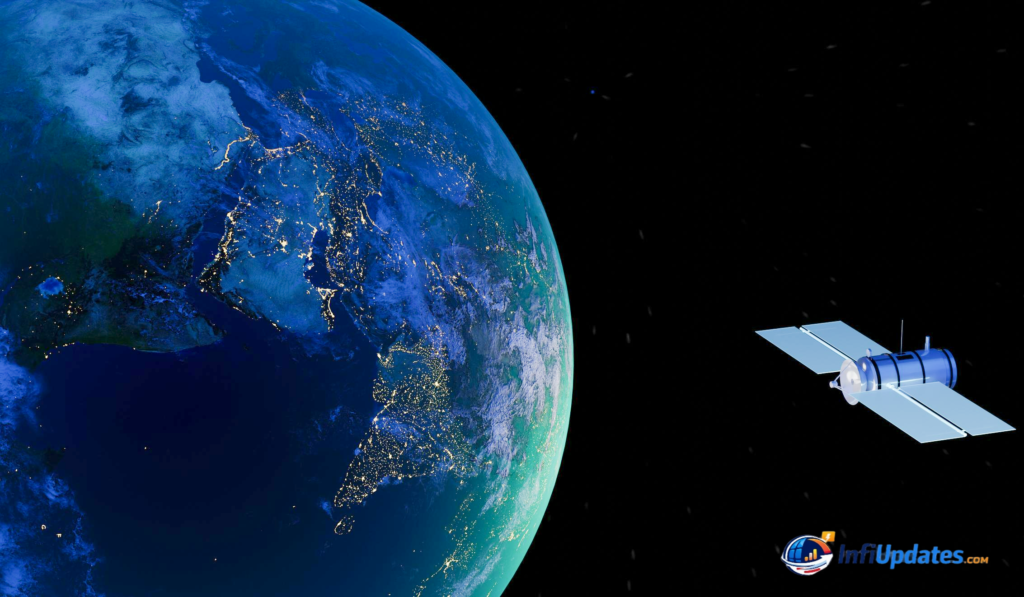
Concerns have emerged in recent years as policy discussions under the administration of Donald Trump included proposals affecting satellite programs and federal climate research funding. Some scientists worried that potential budget reductions or program shifts could create gaps in vital climate data.
This debate highlights a broader question: What happens if long-term climate monitoring is disrupted?
Why Satellites Matter for Climate Research
Modern climate science is built on decades of continuous observation. Satellites measure:
- Global surface temperatures
- Atmospheric greenhouse gas levels
- Sea ice extent
- Ocean heat content
- Deforestation and land-use changes
- Storm intensity and patterns
Agencies such as NASA and National Oceanic and Atmospheric Administration (NOAA) operate many of these missions.
Unlike ground-based stations, satellites provide consistent, global coverage — including remote oceans and polar regions.
The Risk of Data Gaps
Climate trends are identified through long-term datasets. Interruptions in satellite missions can cause:
- Breaks in temperature records
- Reduced accuracy in climate models
- Limited forecasting capabilities
- Challenges in disaster preparedness
Even short gaps may complicate comparisons between past and present measurements. Continuity is essential for scientific precision.
Researchers often design overlapping satellite missions to ensure that when one spacecraft retires, another continues the record. Funding uncertainty can disrupt that careful planning.
Policy and Budget Debates
During the Trump administration, proposed federal budgets included reductions to certain environmental and climate-related programs. While not all proposals were enacted, the discussions raised concerns within parts of the scientific community.
Supporters of budget revisions argued that:
- Government spending should be streamlined
- Programs should prioritize operational weather forecasting
- Private-sector partnerships could expand
Critics countered that reducing long-term research investment might weaken climate understanding and preparedness.
The debate reflects differing views on the role of government in environmental monitoring.
Beyond Politics: The Importance of Data
Climate data serves many purposes beyond environmental advocacy. It supports:
- Agricultural planning
- Disaster response
- Insurance risk assessment
- Infrastructure development
- Military logistics
Satellite observations are used by governments, businesses, and researchers worldwide. International climate agreements and economic planning also rely on reliable measurements.
Because climate systems evolve gradually, decades of consistent data are crucial.
International Collaboration
Climate monitoring is not limited to one country. Space agencies around the world contribute to Earth observation efforts.
The United States, Europe, Japan, and other nations operate satellites that share data across borders. However, the U.S. has historically played a major role in maintaining long-term global records.
If one nation reduces capacity, international collaboration can help fill some gaps — but coordination is complex and costly.
The Future of Climate Monitoring
Despite political debates, satellite technology continues to advance. New missions aim to improve precision in measuring:
- Methane emissions
- Ice sheet thickness
- Carbon fluxes
- Extreme weather patterns
Public-private partnerships are also growing, with commercial satellite companies entering the Earth observation market.
Still, scientists emphasize that stable funding and strategic planning remain key to maintaining uninterrupted records.
Why Continuity Matters
Climate change is measured not in days or months, but in decades. Small shifts in global temperature or sea level require long observation periods to confirm trends.
Data gaps could:
- Delay detection of critical changes
- Complicate long-term comparisons
- Reduce confidence in projections
Reliable data supports informed policymaking, regardless of political perspective.
The concern about potential climate data gaps reflects the central role satellites play in understanding Earth’s changing systems. Policy debates may shape funding priorities, but the importance of consistent environmental monitoring remains widely recognized within the scientific community.
As technology evolves and global cooperation continues, maintaining robust climate observation systems will be essential for weather forecasting, environmental protection, and economic planning.
In the end, climate data is not just about politics — it is about preparedness, science, and the shared future of a changing planet.